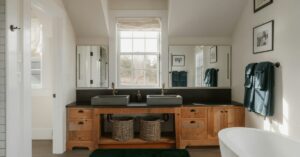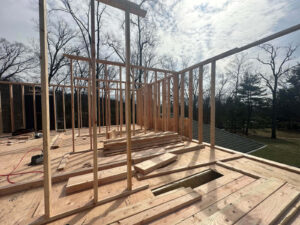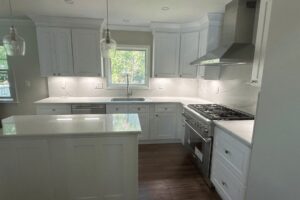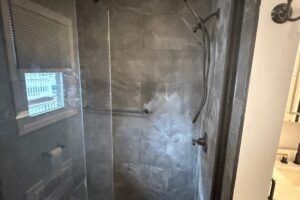

You want a number before you call anyone. Fair. The most reliable published benchmark for this part of the country, the 2025 Cost vs. Value report, puts a midrange bathroom remodel in the Middle Atlantic at about $30,158 and an upscale one at about $90,090. A shower on its own is a slice of that, and how big a slice depends less on the tile you pick than on what’s behind the tile you have now.
Below: the four projects people mean when they say “shower remodel,” what moves the price in Northern and Central New Jersey, which permits apply, and when a shower project should really be a bathroom project.
The short version
The Cost vs. Value report tracks real remodeling costs by region every year. In its 2025 Middle Atlantic figures (that’s New Jersey, New York, and Pennsylvania), the midrange bathroom at about $30,158 recoups 79.9% of its cost at resale, and the upscale bathroom at about $90,090 recoups 42.2%. Both run a few thousand above the national averages of $26,138 and $81,612, which is what you’d expect for Northern NJ labor.
Those are full-bathroom numbers. A shower on its own is a slice of that, and how big a slice depends on which of the four projects below you’re actually describing.
One thing we’ll say up front: in New Jersey, a shower remodel is priced by what’s behind the tile, not what’s on it. Two homeowners can choose the same tile, the same glass, and the same fixtures and get quotes that differ by a lot, because one of them has a 1950s Cape with cast-iron drain lines and no waterproofing membrane, and the other has a 2005 colonial. We’ll explain how that works.
Second thing, so you know where we stand before you read further: we don’t take shower-only jobs. If all you want is the surround swapped or a new door on the existing shower, a shower-replacement company is the right call, and the first two rows in the table below tell you what to expect from one. What we do is full bathroom remodels, and most of this article is about why that’s usually the better spend anyway.
Four kinds of “shower remodel”
When someone calls us about a shower, they mean one of these.
| Project | What it includes | Where it lands |
|---|---|---|
| Like-for-like shower rebuild (not a job we take on its own) | Same footprint. Old tile and pan out, new waterproofing, new tile, new pan or base, new valve and trim, new door or glass. No plumbing moves. | The low end of shower work. Well under the midrange full-bath figure. |
| Tub-to-shower conversion (we do these as part of a bathroom remodel) | Tub out, drain moved or reworked, new pan, curb or curbless entry, full tile, glass. Usually some plumbing work in the wall. | More than a rebuild, because of the drain and the added wall area to tile and waterproof. |
| Custom tiled shower with frameless glass (as part of a bathroom remodel) | Larger footprint, often a bench or niche, linear drain, rain head plus hand shower, frameless enclosure, sometimes heated floor or steam. | The upper end of shower-only work. On its own it can approach the midrange full-bath figure. |
| Shower as part of a full bathroom (this is our work) | Everything above plus vanity, toilet, flooring, lighting, ventilation, and often a layout change. | The midrange to upscale full-bath range from the report: roughly $30,000 to $90,000 in the Middle Atlantic, depending on size, layout changes, and finish. |
We don’t publish a price list for bathrooms, and you should be wary of anyone who quotes one over the phone. Two bathrooms the same size can land at opposite ends of that range depending on what’s behind the walls and how much of the layout changes. That’s why every bathroom we price starts with a walk-through and ends with a line-item proposal.
What moves the price in Northern NJ
Tile labor, not tile
The tile itself is rarely the big line. Setting it is. A shower with large-format porcelain, a niche, a bench, and a linear drain takes a skilled tile setter days longer than a plain 12×24 wall, and in Northern NJ that labor is the most expensive part of the shower. Mosaic floors, herringbone, and anything that needs a lot of cuts push the number further. When a homeowner asks us where to save, the honest answer is usually “simpler pattern, same tile,” not “cheaper tile.”
Waterproofing you’ll never see
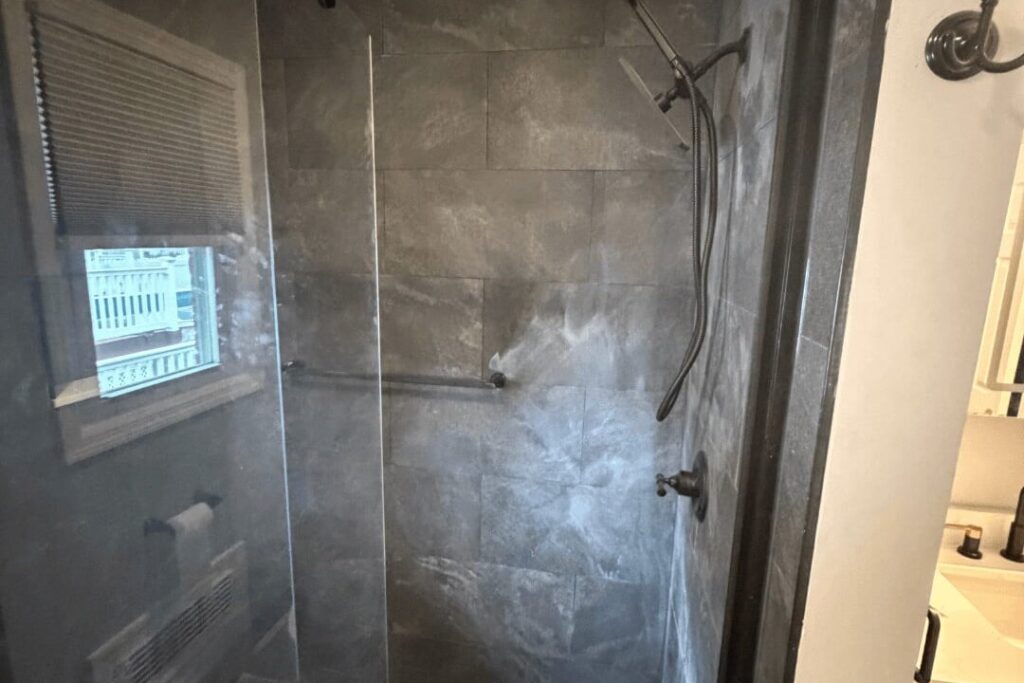
Every shower we build gets a real waterproofing system behind the tile. Most of our recent shower scopes specify a Schluter system: a tile-ready shower pan that’s sloped to the drain, with cement board and a waterproofing layer on the walls, all in place before a single tile goes on. It adds cost. It’s also the difference between a shower that lasts and one that quietly soaks the subfloor for years before anyone notices. Missing or failed waterproofing is one of the most common reasons an older tiled shower has to come out, and you can’t judge it from the tile face.
Glass
Frameless glass is custom. It’s measured after the tile is set, then fabricated, so it’s one of the last things in and it carries its own wait. A framed or semi-frameless door costs less and arrives faster. Neither is wrong; the choice should be deliberate, because glass is one of the bigger single items on a shower quote.
Moving the plumbing
Keeping the drain and the valve where they are is the single biggest cost saver on a shower. Moving the drain means opening the floor, and in a lot of Northern NJ homes that floor sits over a finished ceiling below. Moving a valve to the opposite wall means new supply lines. Both are routine for us, and both change the permit picture (more on that below), so we ask early whether the layout change is worth it to you.
One change tends to bring others with it. A primary bath we scoped in Hawthorne this year takes the tub out for a tiled shower with a niche and glass doors. The same scope moves the baseboard heat to the opposite wall, which means draining the boiler first, and upsizes the old 1¼-inch drain to meet code. None of that is exotic, but each one is a line on the proposal that a “new shower” price wouldn’t include.
Basement bathrooms are their own conversation, especially when the fixtures sit below the sewer line and need an ejector pump. Our guide to finishing a basement in New Jersey covers that pricing.
What’s behind the wall in an older home
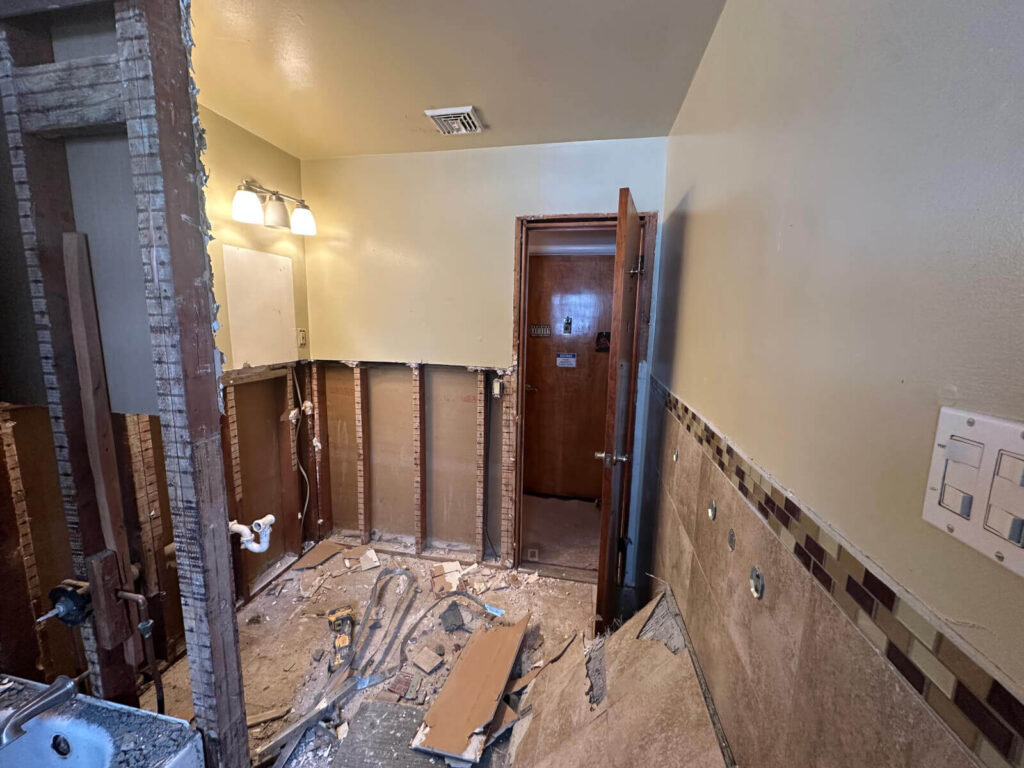
Northern New Jersey’s housing stock skews old: more than 30 percent of the state’s homes were built before 1950. When the tile comes off a bathroom in a house like that, it’s common to find galvanized supply lines near the end of their life, cast-iron drains, framing that was cut for a previous plumber’s convenience, and water damage from a leaking pan. None of that is visible during the estimate.
A job we finished in Old Bridge shows how it stacks up. It started from a buyer’s home-inspection report: galvanized supply pipe to replace with PVC, saddle-valve clamps to swap for proper ball valves, a tub drain and shower diverter to fix, and moisture in the roof directly above the upstairs bathroom. All of it was handled alongside the bathroom renovation. There’s no point in new tile under a roof leak.
That’s why we put a 10 to 15 percent contingency on older-home bathroom work and tell you about it before you sign, rather than surprising you in week two.
Pre-1978 also means lead paint. If more than six square feet of interior painted surface gets disturbed, federal lead-safe rules apply, and a bathroom demo almost always crosses that line. We’re EPA RRP certified (for purposes of Section 402 of TSCA), which means the containment and cleanup are done the way the rule requires. Details are in our lead-safe renovation guide.
Ventilation and electrical
A new shower in an old bathroom usually needs a proper exhaust fan (many older baths have none, or one that vents into the attic), GFCI-protected outlets, and better lighting. Steam showers, heated floors, and body sprays each add their own electrical and plumbing work. These are the items that turn a “just the shower” job into a small bathroom job, which is worth knowing before you fall in love with the rain head.
Do you need a permit for a shower remodel in New Jersey?
It depends on what changes. New Jersey’s Uniform Construction Code sorts bathroom work into three buckets.
- Ordinary maintenance (no permit). Replacing a shower valve, or replacing a tub or shower unit with a similar fixture in the same place with no change to the piping. That’s the rule under N.J.A.C. 5:23-2.7.
- Minor work (notice, application, inspection). Replacing existing plumbing piping, or adding a fixture in existing space without enlarging the water service. Under N.J.A.C. 5:23-2.17A, the contractor notifies the town before starting and files the permit application within five business days. The work still gets inspected.
- Full permit. Moving the drain, relocating the valve to a new wall, running new electrical circuits, or changing the layout. Plans in, permit issued before work starts, inspections at rough and final.
Most like-for-like rebuilds sit in the first two buckets. Most tub-to-shower conversions and custom showers land in the third, because the drain moves or the electrical changes. How your town’s construction office applies these rules varies, and working through that is a normal part of our job. What you should watch for is a contractor who tells you a plumbing move “doesn’t need a permit.” It does, and an unpermitted drain move is exactly what shows up on the next buyer’s inspection. It’s one of the red flags in our guide to hiring a general contractor in Northern New Jersey.
Tub-to-shower conversions
Taking out a tub for a walk-in shower is a popular project, and a good one. It makes a small bathroom feel bigger, and it’s easier to step into for anyone with a bad knee.
Here’s what one looks like done as a bathroom project. In a basement bathroom in Piscataway, the tiled tub-and-shower came out and a walk-in shower went in: a Schluter shower pan, cement board and waterproofing behind new tile, and glass shower doors. The old shower drain was an undersized 1¼ inches, so it was upsized to meet code. The same project turned a double vanity into a single, added a combination fan, heater, and light, and laid waterproof plank flooring over the existing floor tile. The shower was the reason for the call. The finished room is the reason it was worth doing.
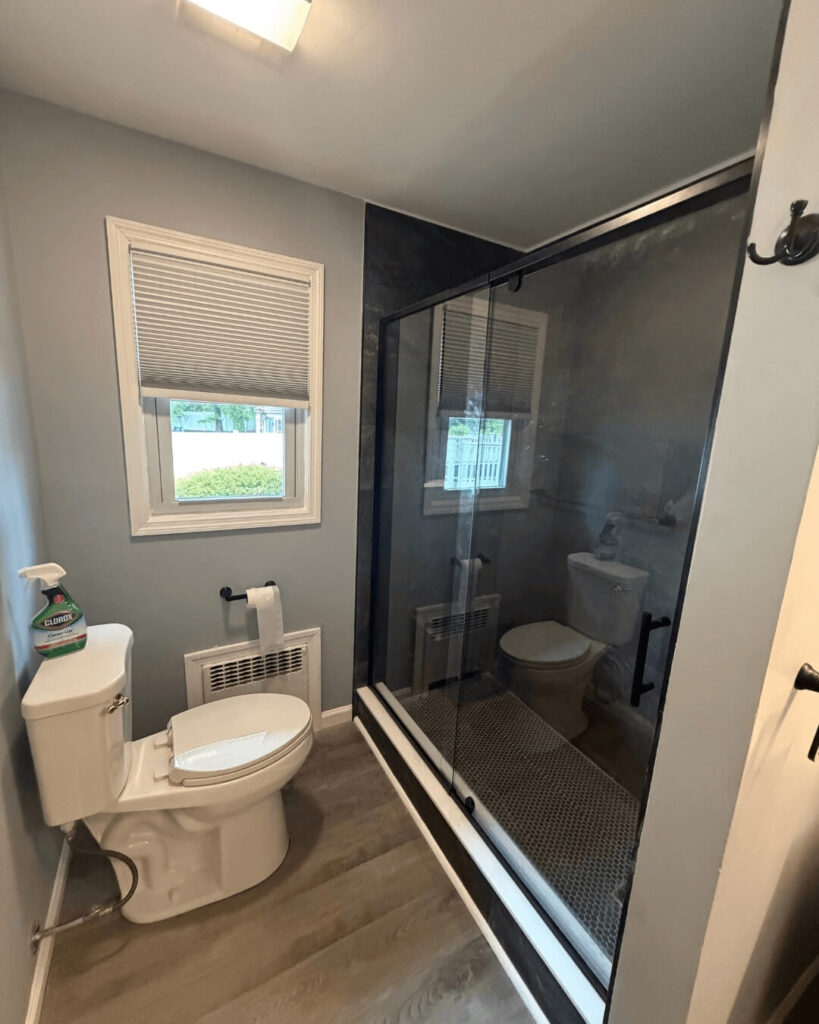
Two things to decide before you commit. First, keep at least one tub in the house if you can. A home with no bathtub anywhere narrows the pool of buyers with young kids, and that’s a resale conversation worth having now rather than in five years. Second, decide whether the entry will have a curb. A curbless shower looks cleaner and is easier to step into, but it needs the floor to be recessed or the drain placed just right, which is more work and more cost in a home with joists below.
Why we price the bathroom, not the shower
Here’s what happens on a lot of shower-only jobs, and it’s why we don’t take them. The old surround comes off and the wall behind it needs framing repair. The new tile doesn’t match the 1980s floor. The vanity is now the oldest thing in the room. The fan doesn’t work. The homeowner is already living without a bathroom for a couple of weeks, and the marginal cost of doing the rest while the walls are open is a fraction of doing it separately next year.
So when the call is about the shower, we walk the whole room at the estimate and price the bathroom done once, as one project, with one permit and one disruption. The Cost vs. Value data backs that up: a midrange full-bath remodel in the Middle Atlantic recoups close to 80 percent of its cost at resale, which is among the strongest returns of any interior project in the report. Our bathroom work runs from basement baths like the one above to a full primary suite in Morristown with a separate shower, soaking tub, and private water closet, and the homeowner is happiest when the scope matches the house and how they live in it. If you truly only want the shower touched, we’ll tell you that on the walk-through and point you to someone who does that work well.
How to read a shower remodel quote
A real quote for shower work in New Jersey should show you:
- Line items, not a lump sum. Demo, waterproofing, tile labor, tile material, plumbing, electrical, glass, permit fees, disposal. If it’s one number, you can’t compare it to anything.
- Allowances, spelled out. Tile, fixtures, and glass are usually priced as allowances. Make sure the allowance is realistic for what you actually want, or the “over-allowance” line will find you later.
- Who supplies what. Plenty of homeowners buy their own vanity, tile, or glass. That’s fine, but the quote should say so, and those costs sit outside the contract number.
- Exclusions. Painting, flooring outside the shower, a new vanity, moving the toilet. If it isn’t listed, ask.
- A contingency for older homes. We put 10 to 15 percent on pre-1978 bathroom work for the reasons above. A quote with zero contingency on a 1940s house is a quote that will grow.
- Terms. Deposit (we’re typically in the 10 to 33 percent range depending on size), a draw schedule tied to milestones, and a written workmanship warranty, which for New Jersey contractors usually runs one to two years.
We wrote a longer guide on how to read a contractor proposal if you want the full version.
How long a shower remodel takes
Shorter than a bathroom, longer than people expect. Demo, plumbing, waterproofing, and inspections happen in the first stretch; tile takes the middle; then the shower sits finished but unusable while the glass is measured, fabricated, and installed. If the tile is a special order, add its lead time to the front. A full bathroom stacks vanity, flooring, and electrical on top of that.
For a sense of scale, our recent proposals for a single full-gut bathroom have scheduled about one to three weeks of on-site work. That doesn’t include permit review before the start, special-order tile at the front, or the wait for custom glass at the end, and a primary bath with a layout change runs longer.
We give you the sequence and the dates before we start, and we tell you which selections have to be locked by when so the schedule holds.
Planning a shower or bathroom remodel in Northern NJ?
We’re a licensed, insured New Jersey general contractor based in Essex County, and full bathroom remodels are a large part of what we do across Northern and Central New Jersey. If your shower project is really a bathroom project, request a free estimate. We’ll walk the room with you, tell you honestly what it needs, and give you an itemized proposal with no surprises.
Frequently Asked Questions
It depends on the project. A like-for-like shower rebuild in the same footprint is the least expensive; a tub-to-shower conversion costs more because the drain and wall area change; a custom tiled shower with frameless glass is the top of shower-only work. For context, the 2025 Cost vs. Value report puts a midrange full-bathroom remodel in the Middle Atlantic at about $30,158 and an upscale one at about $90,090.
More than a simple shower replacement, because the drain usually has to be moved or reworked, the wall area to waterproof and tile gets larger, and the work generally needs a permit. Older homes often add an undersized drain or aging supply lines to fix while the walls are open. Curbless entries and frameless glass add to it. Ask for a line-item quote so you can see exactly where the money goes.
Replacing a valve or swapping a shower unit for a similar one in the same spot with no piping change is ordinary maintenance and doesn’t need a permit. Replacing piping or adding a fixture in existing space is minor work: your contractor notifies the town and files within five business days. Moving the drain, relocating the valve, or adding electrical circuits needs a full permit before work starts.
Our recent proposals for a single full-gut bathroom have scheduled about one to three weeks of on-site work. Permit review, special-order tile, and custom glass add time before and after that, and a primary bath with a layout change runs longer.
Usually yes, especially in a primary bath. The one caution is removing the only bathtub in the house, which can narrow your buyer pool. Keep a tub somewhere if you can. A midrange full-bath remodel in the Middle Atlantic recouped about 80 percent of its cost at resale in the 2025 Cost vs. Value report.
No. We take full bathroom remodels, which usually include a new or reworked shower, and we don’t take shower-only or surround-swap jobs. If that’s all you need, a shower-replacement company is the right fit, and the tier table above tells you what to expect from one.
Most often: the tile pattern takes more labor than a simple layout, the plumbing is moving, the glass is custom frameless, or the house is older and the quote carries a contingency for what’s behind the wall. Any of those is a fair reason. A quote with no line items and no explanation isn’t.