
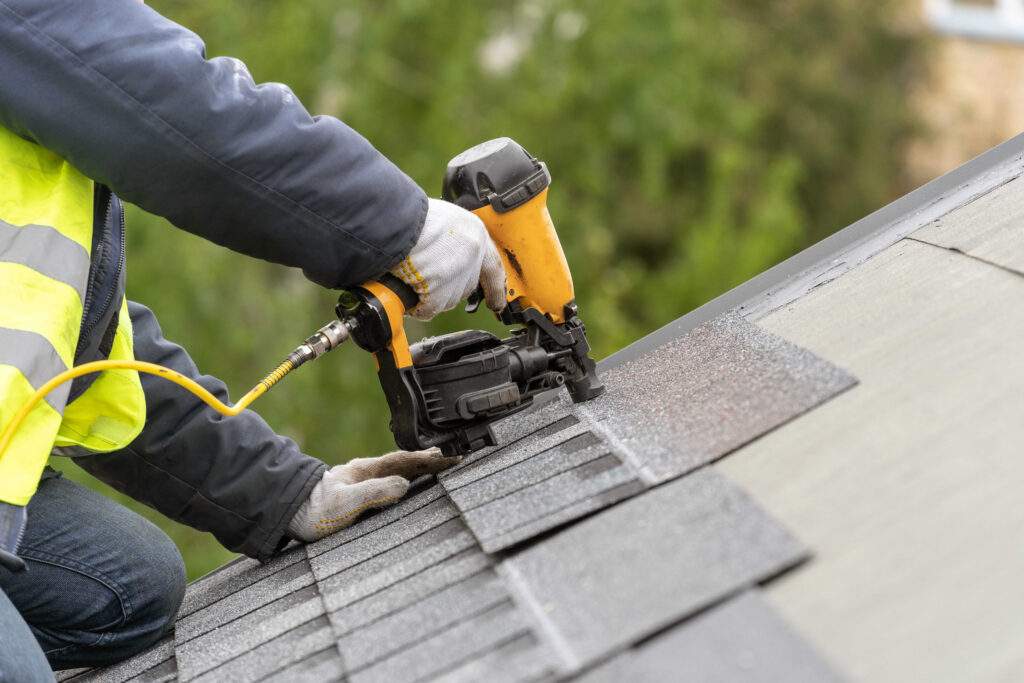
Your roof doesn’t send a calendar reminder when it’s done. Most homeowners find out there’s a problem when water shows up somewhere it shouldn’t — or when an inspector flags it during a sale they weren’t expecting to renegotiate.
The good news: roofs give you signals before they fail. If you know what to look for, you can act from a position of choice rather than emergency. Here’s what to watch for, what it means, and how to think about repair versus replacement.
How long should a roof last in New Jersey?
Northern New Jersey’s climate does real work on a roof. Freeze-thaw cycles through winter, heavy spring rain, summer heat, and the occasional nor’easter add up. The honest lifespan for a standard asphalt shingle roof in this region is 20 to 30 years — toward the lower end if it’s a darker color absorbing more heat, toward the higher end if it was installed correctly with proper ventilation and quality materials.
If your home was built or last re-roofed in the 1990s, you’re in the conversation whether anything is visibly wrong or not. Age is a factor even on roofs that look okay from the ground.
Signs you need a new roof (not just a repair)
1. Shingles are curling or buckling
Shingles that curl at the edges or buckle upward in the middle are telling you the material is at the end of its life. Curling happens as shingles lose their flexibility over time — either from age, heat exposure, or inadequate attic ventilation trapping moisture. A few curled shingles in one spot can sometimes be addressed with a repair. Widespread curling across multiple roof planes is a replacement conversation.
2. Granules are in the gutters or on the ground
Asphalt shingles are coated in mineral granules that protect against UV exposure and add fire resistance. As shingles age, those granules loosen and wash off. If you’re finding significant granule buildup in your gutters — especially after rain — or dark bare patches visible on shingles from the ground, the protective layer is compromised. This accelerates deterioration quickly once it starts.
3. Daylight visible in the attic
If you go into your attic on a bright day and see light coming through the roof boards, water can follow the same path. This can indicate failed flashing, deteriorated underlayment, or gaps from missing shingles. Any daylight in the attic warrants a professional look before the next significant rain.
4. Sagging areas anywhere on the roof deck
A roof deck that visibly sags — even slightly — indicates structural issues beyond the shingles. This is either prolonged moisture damage to the decking, failing rafters, or both. It’s not a repair situation. A sagging roof deck needs immediate attention.
5. The roof has been repaired multiple times
There’s a diminishing return on roof repairs. If you’ve had patches, flashing work, and partial shingle replacements over the last several years, the next problem is likely coming sooner than you want. At some point — especially as the original installation ages — you’re spending repair money on a system that’s going to need full replacement within a few years anyway. A contractor should be able to tell you honestly whether you’re in repair or replacement territory.
6. After a storm
Northern NJ gets ice dams in winter and wind-driven rain in summer. After a significant storm, it’s worth having a quick visual check — missing shingles, visible damage to flashing around the chimney or skylights, or debris impact marks on the surface. Storm damage can also affect areas you can’t see from the ground.
Signs that might be repair territory
Not every roof issue requires a full replacement. If the damage is contained — a handful of missing shingles after a storm, isolated flashing failure around a chimney, a single area of granule loss — a repair can often extend useful life by several years if the underlying structure is sound and the shingles aren’t near the end of their overall lifespan.
The honest answer is that context matters. A repair on a 12-year-old roof that was installed correctly is a different calculation than the same repair on a 24-year-old roof showing multiple signs of wear. A licensed contractor can make that distinction in about 10 minutes on-site.
Interior signs to watch
Not all roof problems announce themselves from the outside. Inside your home, watch for:
Water stains on ceilings or walls. Discoloration that appears after heavy rain is the most obvious interior signal. Not every ceiling stain is a roof leak — HVAC condensation and plumbing can cause similar marks — but a pattern that correlates with weather needs investigation.
Mold or musty smell in the attic. Persistent moisture from a slow leak creates conditions for mold growth long before any staining shows up in living spaces below. If your attic smells musty or you notice black or dark spotting on the decking or insulation, that’s moisture infiltration worth diagnosing.
Peeling paint near the roofline. Moisture trapped by inadequate ventilation or a slow leak can cause exterior paint to peel, particularly in upper-floor areas near where the roof meets the walls.
What to do when you’re not sure
The answer isn’t a roofing calculator or a YouTube video — it’s a site visit from a licensed contractor who has seen a lot of roofs.
A proper roof inspection looks at the surface from multiple angles, checks flashing at every penetration point (chimney, vents, skylights), inspects the attic for signs of moisture infiltration, and assesses the overall structural condition of the deck. That’s not a long process, but it can’t happen from a phone call or a Google Street View screenshot.
What you want from that conversation: an honest answer on whether you’re in repair or replacement territory, and if replacement, a clear breakdown of what the scope includes — tear-off, decking assessment, new underlayment, materials, and permit.
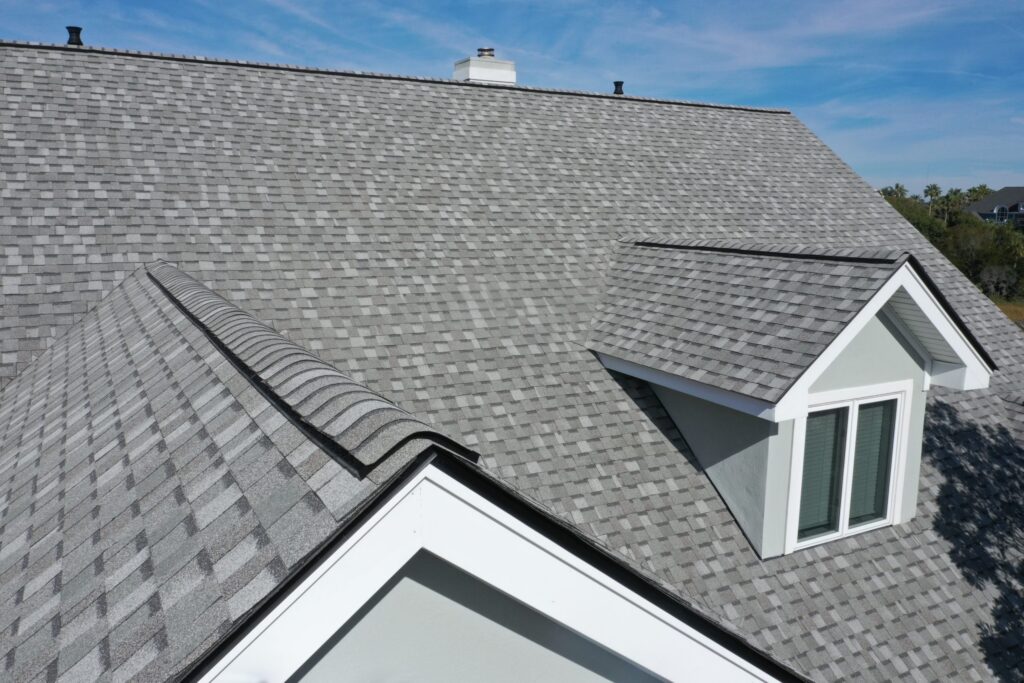
Roof replacement in Northern New Jersey: what to expect
If you’re moving toward replacement, here’s what a well-run project looks like.
Permit. A full roof replacement requires a building permit in most NJ municipalities. Your contractor pulls it. If someone quotes you a roof replacement and permit isn’t mentioned, ask why.
Timeline. A straight replacement on a standard-sized residential roof typically runs one to three days of active work — the permit and inspection scheduling adds time to the total. Timing matters in NJ: contractors book out faster in spring and fall. If you’re getting close on age or have had recent repairs, it’s worth getting on a contractor’s calendar before you have an active leak rather than after.
Materials. Shingle type, color, and manufacturer affect both cost and performance. Certain shingles carry manufacturer warranties that require certified installation. A contractor who works consistently with quality material suppliers can get you the right product and often better lead times than someone who sources opportunistically.
What’s included. A full replacement should include tear-off of the existing roof, inspection and repair or replacement of any damaged decking, new underlayment, new drip edge, and proper flashing at all penetrations. If a proposal doesn’t list these items explicitly, ask. Exclusions matter as much as inclusions.
A note for older homes. If your home was built before 1978, federal law requires that contractors disturbing painted surfaces — including during a roof tear-off — follow EPA Lead-Safe Work Practices. Our team holds EPA Lead Renovator (RRP) certification, so this is handled correctly and documented. It’s a detail worth asking any contractor about before you sign.
A note on age and resale
If you’re thinking about selling in the next few years, your roof will come up in the buyer’s inspection report. A roof that’s 22 years old with visible wear is a negotiating point — sometimes a significant one. Replacing a roof proactively before a sale is a common move in Northern NJ’s competitive housing market for exactly this reason.
If you’re not selling but you’ve owned the home for more than 15 years and aren’t sure when the roof was last replaced, it’s worth knowing where you stand. A quick inspection gives you a clear timeline to work with, even if nothing needs to happen right now.
Get a straight answer on your roof
If you’re in Northern New Jersey — Essex, Bergen, Morris, Union, or Somerset County — and you’re not sure whether your roof needs repair or replacement, we’ll come take a look. Free estimate, no obligation, and you’ll walk away with a clear answer either way.